Every scene in a screenplay should serve a purpose and contribute to the overall narrative. While the specific goals may vary depending on the story, genre, and context, there are things that every scene should accomplish.
Read more


by Ban (SU Staff)
in Articles
Every scene in a screenplay should serve a purpose and contribute to the overall narrative. While the specific goals may vary depending on the story, genre, and context, there are things that every scene should accomplish.
Read more
by Dirk Dilenger
in Articles
"Who wants what?" is a fundamental question that helps drive the narrative and character motivations for screenwriters when they sit dow to write. It's a concise way of summarizing the core element of conflict and desire in a scene.
Read more
by Staff
in News
Here are the winners for a few categories at the Golden Globes.
Read more
by Ben (SU Staff)
in Articles
When you're writing an action/thriller or suspense drama of some kind you have to be able to create tension, and well, suspense. The movie SPEED always comes to mind when you think about a really effective ticking clock story element. The ticking clock plot device is a powerful tool that adds urgency and tension to the narrative. It usually involves setting a specific deadline or time constraint for the characters to achieve their goals.
Read more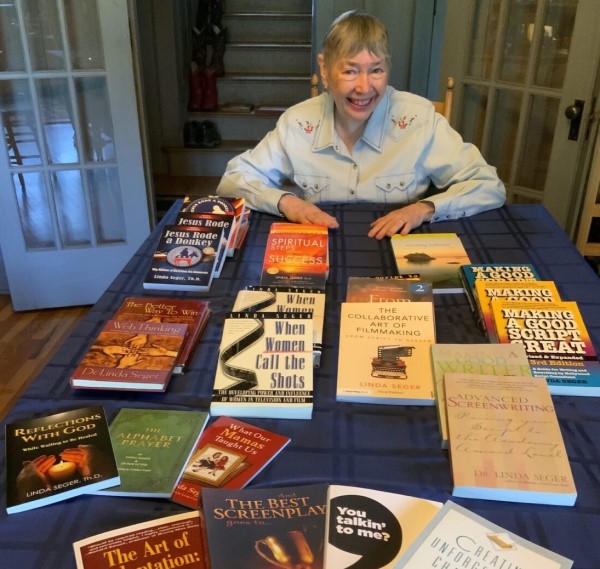
by Christopher Wehner
in Interviews
Dr. Linda Seger is the original script consultant having literally inventing the job in 1981; before her it didn't exist. Since then she has consulted on over 2000 scripts and presented screenwriting seminars in over thirty countries around the world. Seger has written nine books on screenwriting making her the most prolific screenwriting author we have. Seger consulted for Peter Jackson’s break-through film, BRAIN DEAD and Roland Emmerich’s breakthrough film, UNIVERSAL SOLDIER. She also has given seminars for studios, networks including ABC, NBC, CBS, production companies, television series (MacGyver, The Mary Show), film commissions, universities and film schools.
Read more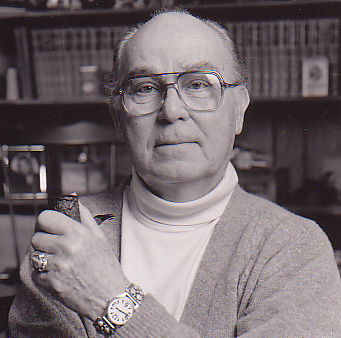
by Christopher Wehner
in Interviews
This is an interview I was really happy to get back in 2004, it was a pleasure to interview such a screenwriting legend as John Michael Hayes. We have also added a neat short interview with him where he discusses characters and Hitchcock.
Rear Window is considered to be Hitchcock's most "cinematic" picture. At times it had to communicate a lot to the audience without a word ever being spoken. This isn't surprising as Hitchcock started directing in 1922, during the silent era, making several silent films. By 1954, the year Rear Window was released he had clearly mastered the art of directing. However, before he could unleash his visual brilliance there had to be a great script from which to allow such a great movie to be made.
Read more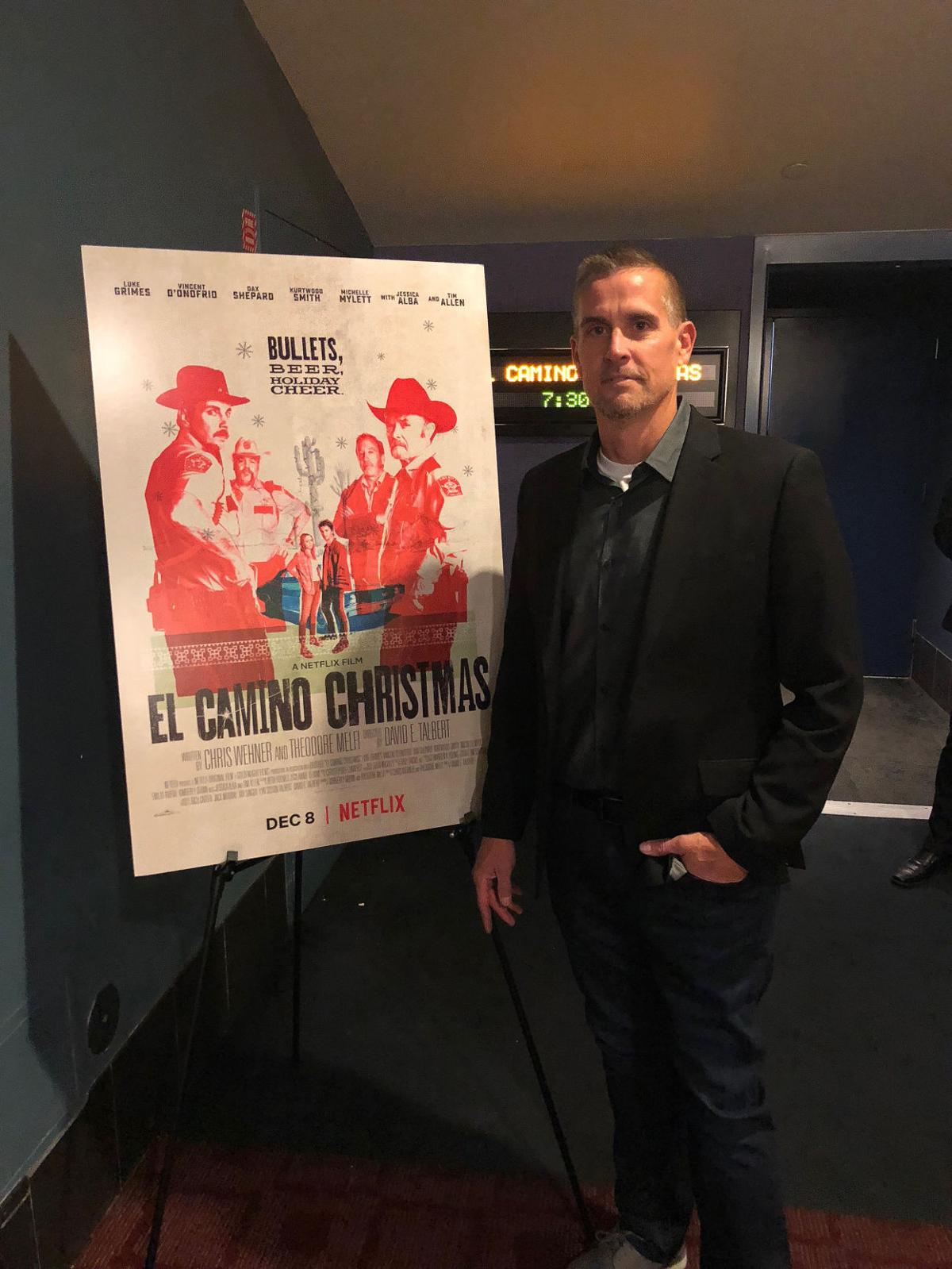
by Harry Caul
in Interviews
Twenty-two years ago Christopher Wehner wrote his first screenplay. Like most writers he dreamed of seeing his work make it to the big screen. After many struggles, rejections, and disappointments he is on the verge of his dream. When you go to his IMDB page it shows EL CAMINO CHRISTMAS as his sole writing credit. From that perspective you might considered him an overnight success; only its been a twenty-two year in the making one. And like almost all of these kinds of success stories it took chance encounters, some luck, and a lot of perseverance.
Read more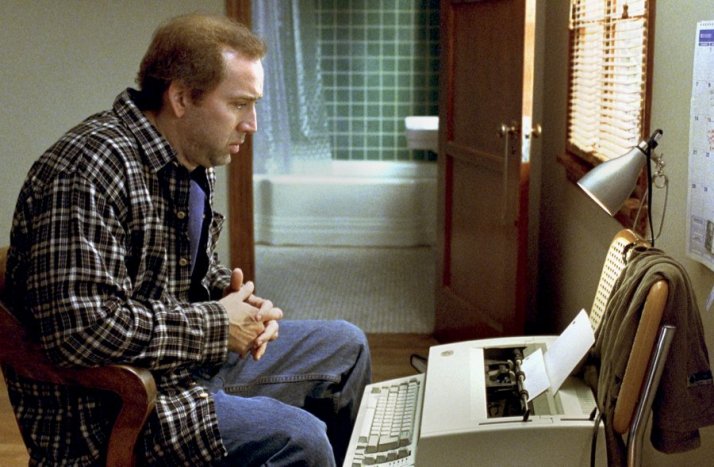
by Christopher Wehner
in Op/Ed
First let me stop writing the script I am currently working on so I can pound out this short editorial. Though I should say allow me to stop bleeding at the keyboard as I struggle with the current scene I am writing. I have to admit that I am my own worst enemy as a writer. I procrastinate, often, and it can sometimes be so debilitating that I never finish some screenplays. Why?
Read more
by Christopher Wehner
in Script Reviews
The Oscar nominated movie NEBRASKA, with an award winning screenplay by Bob Nelson, is in my opinion one of the better scripts recently produced for screenwriters to learn a little something about the craft. Why? It’s the epitome of efficient and dramatic storytelling. The script is pithy, direct, yet it has depth and emotion (theme) that is so subtle in its presentation.
Read more